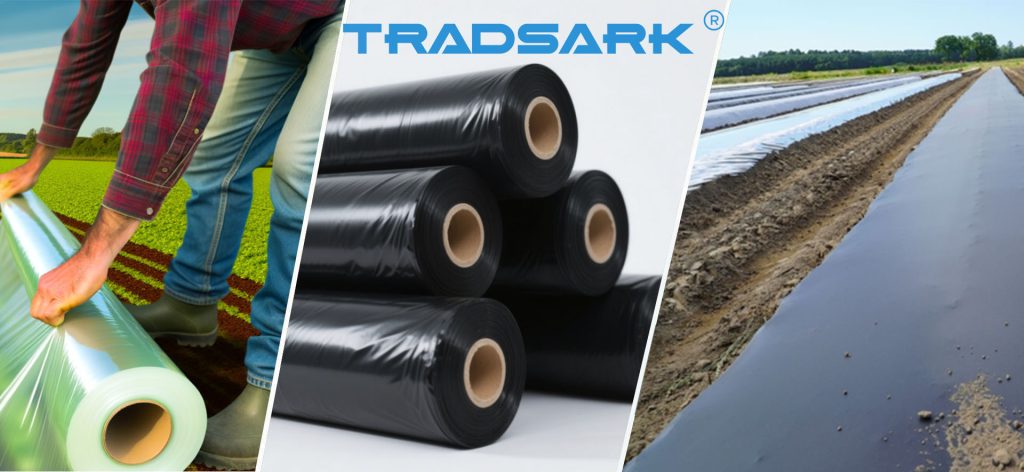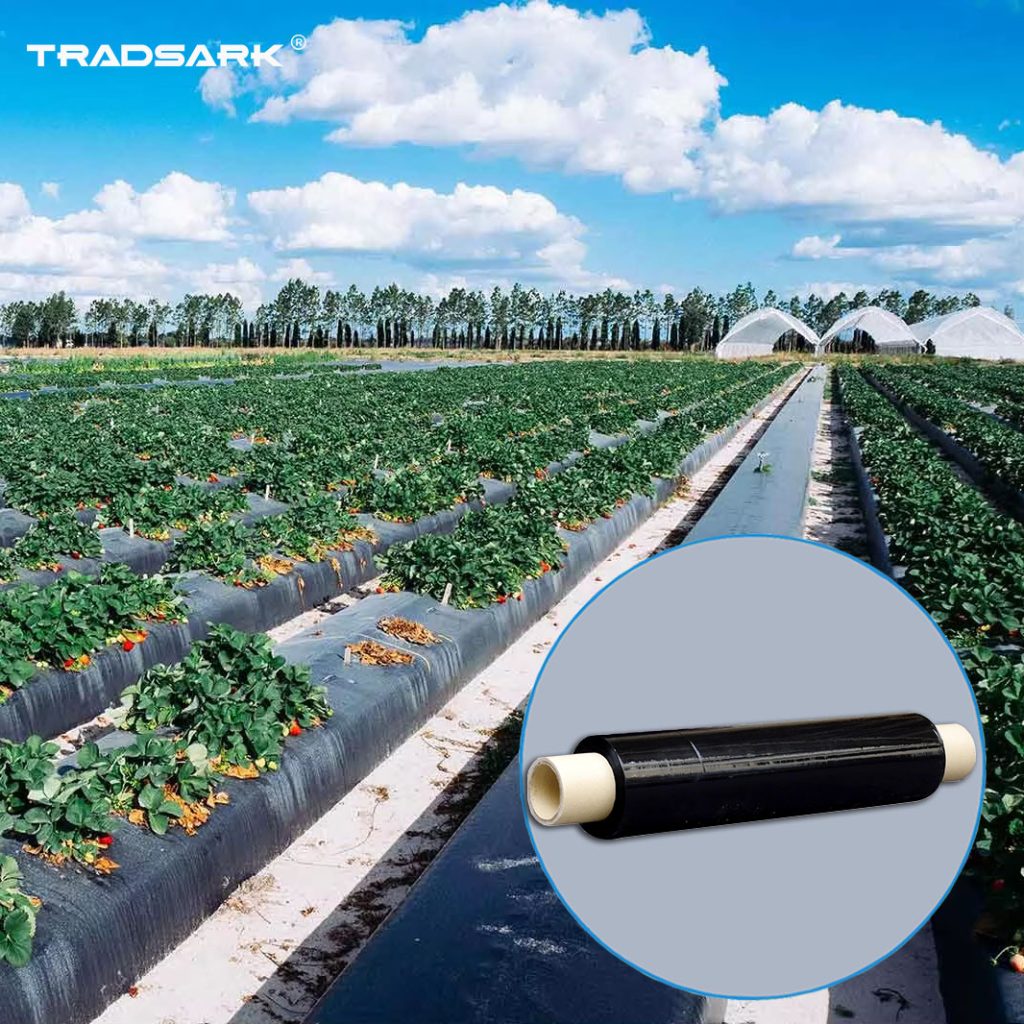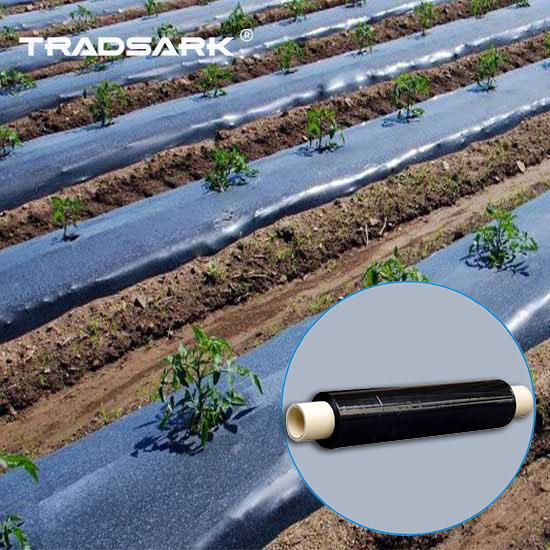
Black mulch film is one of the most effective and affordable tools for farmers and gardeners looking to extend their growing season and protect crops during cold months. As winter approaches, agricultural plastic film becomes essential for maintaining soil health and ensuring strong early spring growth. In this comprehensive guide, we will explore everything you need to know about using black plastic mulch for winter weed control, soil temperature management, and maximizing crop yields.
Why Use Black Mulch Film in Winter?
Black polyethylene mulch is the most widely used, available, and inexpensive of the colored mulches. Its popularity stems from a combination of benefits that are particularly valuable during the colder months.
Warms the Soil for Early Spring Planting
One of the primary reasons farmers turn to black mulch film in winter is its ability to raise soil temperatures. Research has shown that soil underneath black plastic can be up to 5°F warmer at a 2‑inch depth and up to 3°F warmer at a 4‑inch depth than uncovered soil. This temperature increase allows growers to start planting earlier in the season, giving crops a head start and enabling earlier maturing fruit.
The black color absorbs sunlight and radiates heat back into the soil. Plants grown with black plastic mulch are also less susceptible to frost injury compared to those mulched with organic materials like leaves and compost. This makes black agricultural film ideal for winter and early spring crops.
Controls Winter Weeds Effectively
Black plastic mulch has excellent weed suppression ability because of its opacity. By blocking sunlight, it prevents photosynthesis and stops weeds from growing beneath the film. Synthetic mulches, especially black plastic film, effectively suppress most weeds, reducing labor and other costs for weed control.
For winter preparation, many growers cover their beds with black plastic for a month or two during winter. This practice not only protects soil structure but also significantly cuts down on spring weeding.
Retains Soil Moisture and Reduces Water Loss
Black mulch film creates a barrier that prevents evaporation and locks moisture into the soil. It reduces water loss, retains moisture, and can save a significant amount of irrigation water – a critical advantage in regions with dry winters or limited water resources. The film also reduces fluctuations in soil moisture and prevents soil crusting.
Increases Crop Yields and Quality
By combining weed suppression, moisture retention, and soil warming, black plastic mulch creates optimal growing conditions that lead to healthier plants and higher yields. It has proven effective in hastening maturity and frequently increases yields of warm‑season crops such as squash, peppers, and tomatoes.
How to Use Black Mulch Film: A Step‑by‑Step Guide
Proper installation is key to maximizing the benefits of your agricultural plastic film.
Step 1 – Prepare the Soil
The soil must be well prepared before laying the plastic mulch to ensure a tight fit between mulch and soil. Remove any clumps of grass, rocks, or debris, and create a smooth, friable seedbed. Moist soil is essential – water the bed a few days before laying the plastic if there has not been sufficient rain. Laying plastic over dry soil can actually delay subsequent transplant growth.
Step 2 – Lay the Plastic Tightly
Roll out the black mulch film over the prepared bed, keeping it flat to the surface. The plastic should be stretched tightly over the bed with a good seal at the edges. Do not overstretch the plastic, especially in warm weather, since it shrinks when cooled. Midday is often the best time to lay plastic so it can be stretched tight.
Step 3 – Secure the Edges
Bury all edges 2 to 6 inches deep in shallow trenches. On raised beds, you can staple the plastic to the sides of the box. Weigh down the edges with soil, bricks, or stones so winter winds do not lift the polythene or let cold air whistle underneath. Proper edge sealing is critical for maintaining soil temperature and preventing weed intrusion.
Step 4 – Cut Planting Holes
Cut or burn planting holes in the plastic and plant seedlings or seeds through the holes. For most transplanted crops, it is much easier to apply the plastic first and plant through it. If using drip irrigation, place drip hoses on or in the planting bed before covering with plastic.
Black Mulch Film vs. Clear Mulch Film: Which Should You Choose?
Understanding the differences between black and clear mulch films helps you make the right choice for your specific needs.
Black mulch film provides moderate soil warming, typically raising temperatures by about 5°F at a 2‑inch depth, while clear film offers the highest warming potential because it transmits most solar radiation directly to the soil. However, black film excels in weed control – its opacity blocks sunlight completely, preventing weed germination and growth. Clear film, on the other hand, allows sunlight to pass through, which encourages weeds to sprout underneath, often requiring additional herbicide applications.
For most winter applications, black mulch film is the preferred choice because it combines effective soil warming with excellent weed suppression. While clear plastic may warm the soil more, the weed problem it creates can offset that benefit, leading to extra labor and chemical costs. If your primary goal is maximum soil heating and you are prepared to manage weeds separately, clear film could be an option. But for hassle‑free winter protection and early spring planting, black mulch film is the more practical and cost‑effective solution.
What to Look for When Buying Black Mulch Film
When sourcing wholesale mulch film for your farm, consider these key factors:
Thickness (Mil and Micron)
Agricultural plastic film thickness is measured in mils (1 mil = 0.001 inch) or microns. Most plastic mulches range from 0.6 to 3.2 mils (15 to 80 microns). A 1 mil thickness is appropriate for most vegetables. Thicker films resist wind, snow, and tearing for more seasons, but cost and weight increase with thickness.
Width and Length
Common widths include 3 feet and 4 feet. Lengths typically range from 100 feet to 4,000 feet. Choose dimensions that match your bed sizes to minimize waste.
UV Resistance and Lifespan
Standard black polyethylene mulch has a life expectancy of one season if exposed to the sun. For multi‑year applications, look for greenhouse‑grade material with enhanced UV protection.
Biodegradable Options
For growers concerned about plastic disposal, biodegradable mulch films that break down completely are available. These are increasingly popular in markets with strict environmental regulations.
Conclusion
Black mulch film is an indispensable tool for winter crop protection and early spring planting. By warming the soil, suppressing weeds, and retaining moisture, this agricultural plastic film helps farmers boost yields, reduce labor costs, and extend the growing season.
Whether you are preparing your fields for winter or getting a head start on spring, choosing the right wholesale mulch film – with the proper thickness, width, and durability – is essential for maximizing your return on investment.
Ready to protect your crops this winter? Contact us today to learn more about our high‑quality black mulch film and agricultural film solutions.