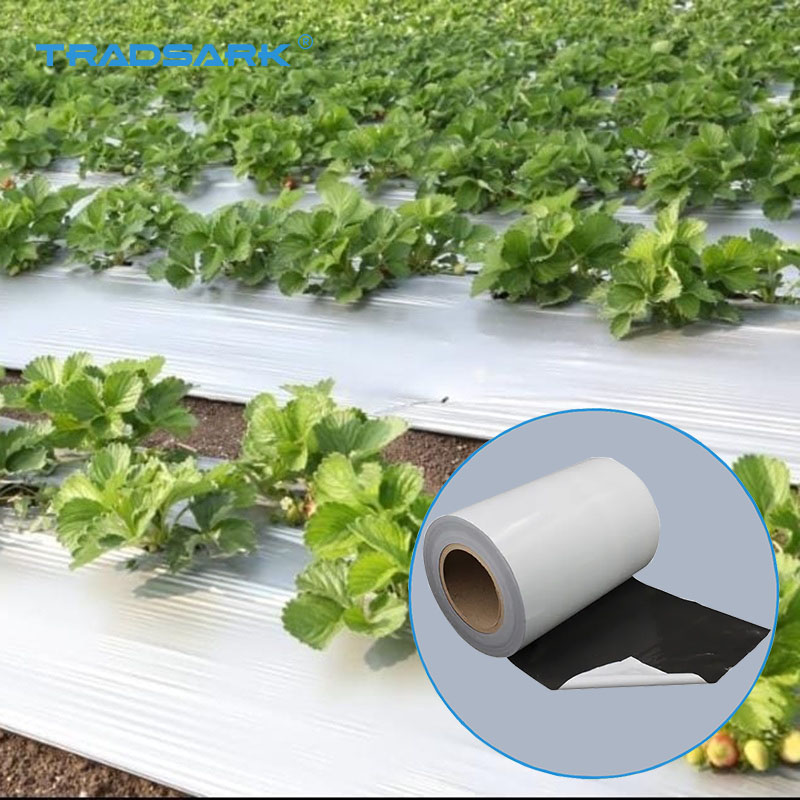
What is Black and White PE Film?
Core Definition
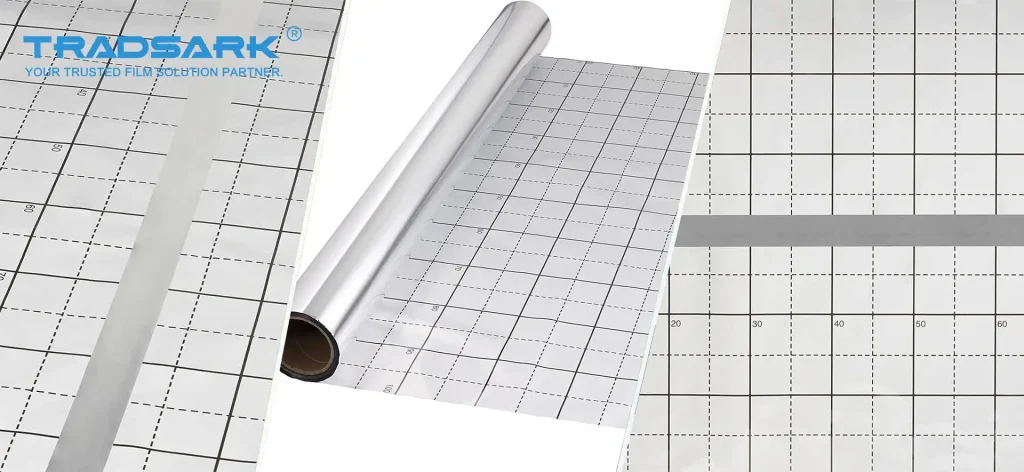
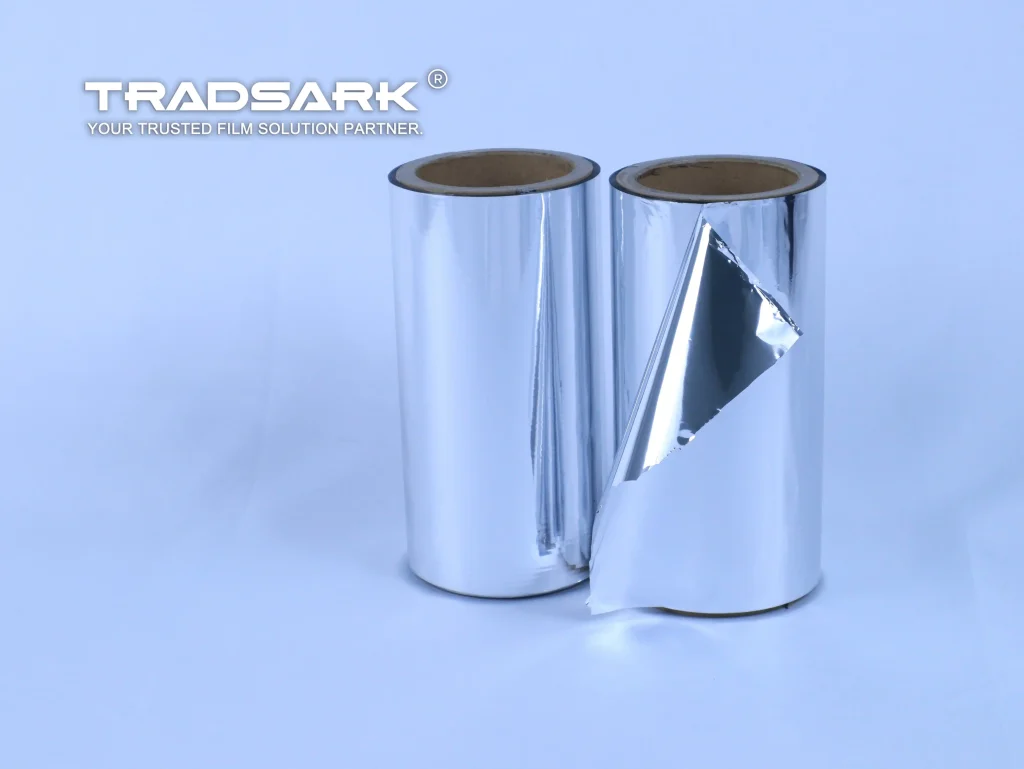
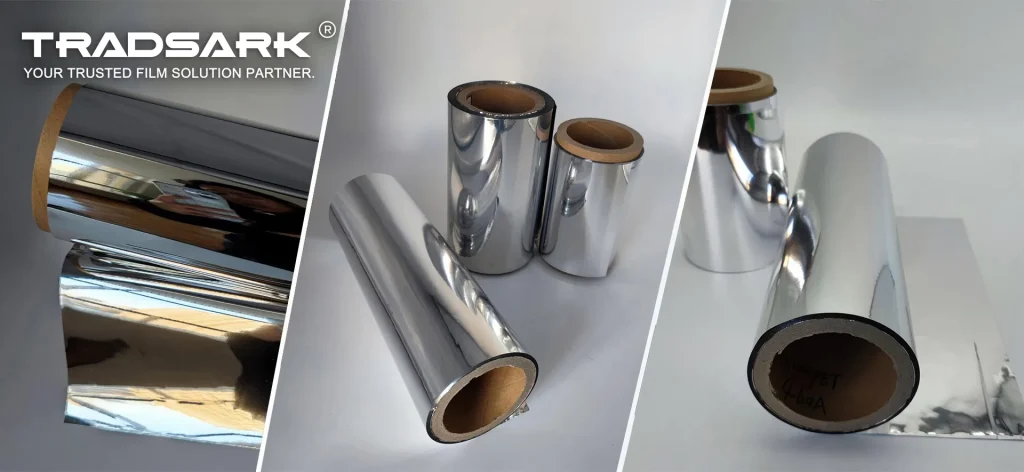
Black and White PE Film is a composite polyethylene film where one side is black, absorbing heat and blocking light, while the other side is white, reflecting sunlight to control soil temperature. This dual-color structure enables better regulation of the soil microclimate, reduces stress on crops, and promotes uniform growth.
Material Composition
-
Base Material: High-quality polyethylene (PE), providing flexibility, durability, and resistance to tearing.
-
Co-Extrusion Process: Produces a layered structure ensuring both black and white sides retain their properties.
-
Additives: UV stabilizers, antioxidants, and anti-aging agents extend the film’s lifespan under outdoor conditions.
H2: Specifications
| Property | Range / Standard |
|---|---|
| Thickness | 15–30 microns (customizable) |
| Width | 1m – 2.5m (customizable) |
| Length | 1200–3000 m per roll (customizable) |
| Color | Black / White dual sides |
| Core | 3″ / 6″ paper core |
Key Advantages
Optimal Light Management
-
White Side: Reflects sunlight, preventing overheating of soil and reducing leaf burn in sensitive crops.
-
Black Side: Absorbs light to warm the soil, promoting early growth in cooler climates.
Enhanced Crop Yield and Quality
-
Increases leaf density, blossom rates, and fruit set.
-
Improves fruit coloration, particularly in apples, strawberries, and grapes.
-
Reduces uneven ripening by balancing sunlight exposure.
Soil and Water Conservation
-
Reduces soil moisture evaporation.
-
Suppresses weed growth by blocking sunlight penetration on the black side.
-
Maintains soil structure and prevents erosion during heavy rainfall.
Durability and Cost Efficiency
-
Resistant to tearing, punctures, and UV degradation.
-
Reusable over multiple growing seasons.
-
Lighter than traditional mulching materials, lowering transport and installation costs.
Applications
Orchard Farming
-
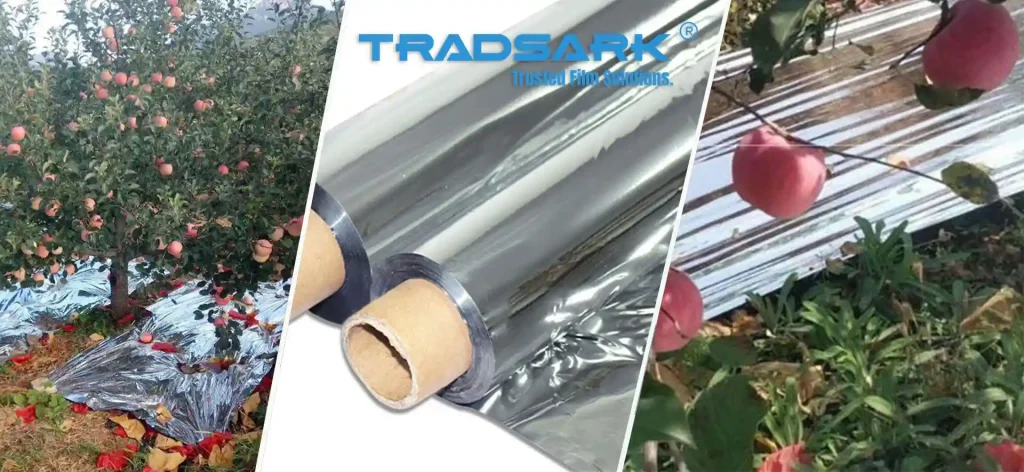
Installed between rows of apple, pear, and citrus trees to reflect sunlight onto lower canopy layers.
-
Promotes uniform fruit coloration and higher sugar content.
Vegetable and Strawberry Cultivation
-
Black side facing soil conserves heat and moisture.
-
White side facing upward reflects sunlight, reducing leaf scorching and enhancing photosynthesis.
Greenhouses
-
Used as ground covering or side films to regulate microclimate inside the greenhouse.
-
Helps control temperature fluctuations and improves crop growth cycles.
Specialty Crops
-
Used for melons, grapes, tomatoes, and peppers to enhance early maturation, reduce disease risk, and improve quality.
Installation and Usage Guidelines
-
Site Preparation: Ensure soil is leveled and free of sharp stones or debris to prevent film damage.
-
Orientation: Place black side facing soil for heat retention or white side facing upward for reflection depending on crop requirements.
-
Fixing: Secure the film using soil anchors, clips, or adhesive strips to prevent displacement by wind.
-
Maintenance: Inspect periodically for tears; minor damages can be patched with compatible adhesive tape.
-
Reuse: If properly handled, the film can be reused for multiple growing seasons.
Advantages Over Single-Color Films
-
Dual functionality reduces need for multiple film layers.
-
Balances soil temperature across variable climates.
-
Enhances light management, promoting healthier plants and higher yields.
-
Cost-effective by improving crop quality and reducing inputs such as water and fertilizers.
Industry Case Studies
Apple Orchards
-
Studies show reflective PE films increase fruit coloration by 15–20% and improve sugar content.
Strawberry Fields
-
Using Black and White PE Film increases fruit size and reduces early rot due to better sunlight reflection and soil warmth.
Greenhouse Vegetables
-
Tomato plants under dual-color film showed a 10% increase in yield per square meter compared to single-color mulch.
Customization Options
-
Thickness: 15–30 microns or tailored to customer needs.
-
Width and Length: Adjustable to accommodate row spacing and planting configurations.
-
Additives: UV stabilizers, anti-aging compounds, or color enhancements.
-
Roll Packaging: Can be palletized or containerized based on logistics requirements.
Environmental and Sustainability Considerations
-
Made from recyclable polyethylene.
-
Reduces water usage due to lower evaporation.
-
Enhances energy efficiency in greenhouses by moderating temperature naturally.
-
Can be combined with biodegradable films for environmentally conscious farming.
Frequently Asked Questions (FAQs)
Can this film be reused?
Yes, with careful handling, the film can last several growing seasons.
Which side should face the sun?
Depends on crop and climate: white side reflects sunlight, black side absorbs heat.
Is the film UV-resistant?
Yes, it contains UV stabilizers to extend outdoor durability.
Can the film be customized?
Yes, thickness, width, length, and additives can all be tailored to customer needs.
H2: Conclusion
Black and White PE Film is an advanced, dual-functional agricultural solution for modern farming challenges. By combining heat absorption, sunlight reflection, soil moisture retention, and weed control, it improves both yield and crop quality. Its durability, flexibility, and customizable options make it ideal for fruit orchards, vegetable fields, and greenhouse applications. Choosing Black and White PE Film ensures optimal crop performance, cost efficiency, and environmental sustainability.