
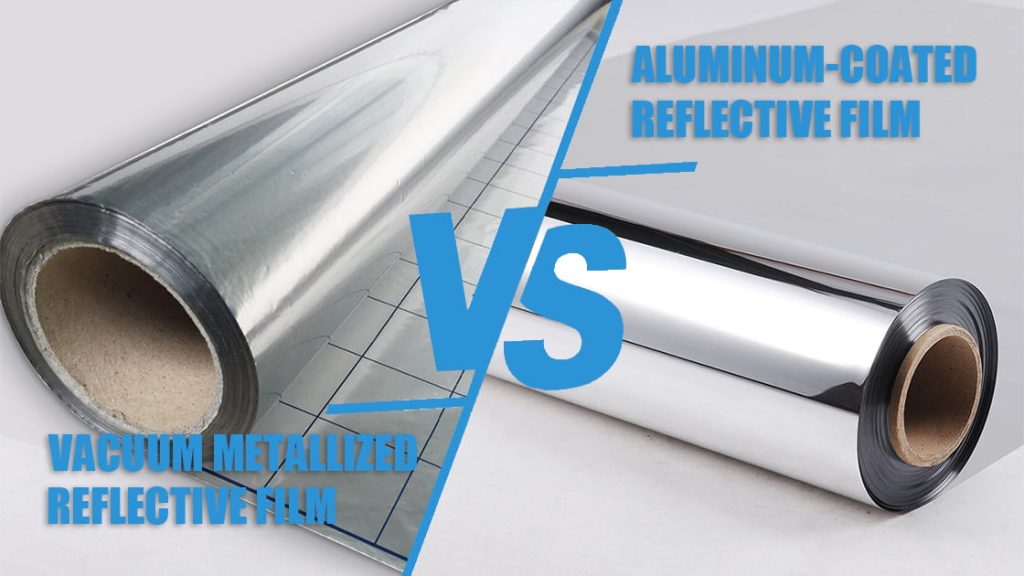
Introduction: The Hidden “Energy Core” of Modern Floor Heating Systems
Floor heating systems have become one of the most popular heating solutions across residential, commercial, and industrial buildings due to their exceptional comfort, high efficiency, and space utilization advantages. According to data from the China Building Energy Efficiency Association Heating Committee, the market share of floor heating applications increased from 32% in 2015 to 67% in 2024, making it the preferred heating method for new buildings and renovation projects.
Yet, one fundamental challenge persists—heat loss. Studies show that approximately 30% of the heat released by floor heating pipes or electric heating cables is lost downward to the slab, soil, or sub-floor environment. This not only wastes energy but may also cause side effects including moisture buildup, structural aging, or mold growth.
This is where the reflective film plays a pivotal role. Installed between the heating pipes and the insulation board, the reflective film acts as a heat-redirecting barrier using far-infrared reflection principles. By reflecting downward radiation upward, the film significantly enhances the thermal efficiency of the entire heating system.
Authoritative test data confirm that a high-quality reflective film can improve heating efficiency by 20–30%, reduce winter heating energy consumption by 15–25%, and shorten indoor heating time by 15–30 minutes.
Among all reflective film categories, two dominate over 90% of the market:
- Metallized Reflective Film (Vacuum Metallized PET Film)
- Pure Aluminum Reflective Film (Aluminum Foil Composite Film)
Both are widely used in home decoration, large-scale engineering, shopping malls, offices, hotels, and industrial buildings.
Although both serve the same function, their material structure, manufacturing methods, durability, reflectivity, environmental performance, and long-term cost-effectiveness differ significantly.
This article provides a comprehensive, technical, and data-driven comparison focusing on:
- Manufacturing process analysis
- Thermal reflection mechanisms
- Physical & mechanical properties
- Durability and environmental tolerance
- Engineering performance
- Cost-benefit evaluation
- Application and case studies
- Professional selection recommendations
This extended 5000-word guide helps builders, engineers, and procurement professionals make informed decisions to achieve maximum heating efficiency, long-term system stability, and optimal cost control.
I. Understanding Floor Heating Reflective Films
1. Definition & Working Principle
A floor heating reflective film is a multi-layer functional membrane consisting of a polymer substrate (usually PET), coated or laminated with a metallic heat-reflective layer such as vapor-deposited aluminum or pure aluminum foil.
It is installed:
Insulation Board → Reflective Film → Heating Pipe → Concrete
The reflective film operates on the principle of infrared thermal radiation reflection. When the heating system generates heat:
- Part of the heat rises upward by conduction
- A significant portion radiates in all directions in the form of infrared waves
Without a reflective film, the downward radiation penetrates the insulation and dissipates into the structure below.
Since aluminum has a natural infrared reflectivity of 85%–99%, the reflective film redirects infrared heat upward, improving heat transfer efficiency to the floor surface.
Additional Functions
Besides thermal reflection, the reflective film also provides:
- Moisture Barrier Protection
Prevents vapor from entering the insulation layer. Wet insulation loses performance (e.g., XPS board thermal conductivity increases from 0.028 to ≥0.05 W/m·K when wet). - Insulation Layer Protection
Shields insulation boards during construction, preventing puncture or abrasion. - Installation Grid Lines
Many films come printed with 5–10 cm grid lines to help installers accurately control heating pipe spacing.
II. Types of Floor Heating Reflective Films
| Type | Structure | Reflectivity | Lifespan | Price (RMB/m²) | Market Position |
|---|---|---|---|---|---|
| Paper-based | Kraft Paper + Thin Aluminum | 60–75% | 3–5 yrs | 0.5–2 | Low-end (obsolete) |
| Non-woven Aluminum Film | Non-woven + Aluminum | 70–85% | 5–8 yrs | 1.5–5 | Budget-level |
| Metallized Reflective Film | PET film + Vacuum Metallized Layer | 92–96% | 8–15 yrs | 2.9–10 | Mainstream, cost-effective |
| Pure Aluminum Reflective Film | PET + 20–30µm Aluminum Foil | 97–99% | 20–30 yrs | 12–59 | High-end engineering |
The comparison in this article focuses on the two mainstream options:
Metallized Film vs Pure Aluminum Film
III. Metallized Reflective Film (Vacuum Metallized PET Film)
1. Manufacturing Process: Vacuum Metallizing Technology
Metallized reflective film uses high-vacuum evaporation technology to deposit aluminum vapor on a PET substrate.
Process Steps
- Substrate Preparation
PET film (12–25µm) is cleaned and dried for high surface cleanliness. - Vacuum Metallizing
- Vacuum chamber reaches 10⁻³–10⁻⁴ Pa
- Aluminum ingots (≥99.5% purity) heated to 1200–1400°C
- Vaporized aluminum condenses onto PET
- Aluminum layer thickness: 5–15µm
- Coating & Rewinding
- Water-based adhesive added for bonding strength
- Film is cooled, slit, and rolled
Advantages
- High production efficiency
- Low aluminum consumption
- Uniform thin coating
- Ideal for mass manufacturing
2. Physical Characteristics
Appearance & Flexibility
- Smooth matte-silver appearance
- Lightweight: 20–35 g/m²
- Excellent flexibility—easy to fold, roll, bend
Mechanical Strength
- Longitudinal tensile: 40–60 N/5cm
- Transverse tensile: 30–50 N/5cm
- Moderate puncture resistance
Thermal Stability
- Working Range: –20°C to 80°C
- Short-term max: 100°C
- Above 120°C → PET softening, aluminum delamination
3. Performance Characteristics
Reflectivity
Typical reflectivity ranges 92%–95%, maximum reaching 96% for premium versions.
Effect in a standard water floor heating system:
- Increases floor surface temperature by 2–3°C
- Saves 15–20% heating energy
- Shortens heating time by 15–20 minutes
Durability
- Lifespan: 8–15 years
- Aluminum oxidation occurs if moisture enters
- Not recommended for high-humidity conditions
Environmental Friendliness
- No VOCs
- Fully recyclable PET and aluminum
- Environmentally compliant production
4. Suitable Applications
- Standard residential floor heating
- Budget-controlled engineering projects
- Small commercial heating areas
- Temporary buildings
- Water heating systems (≤60°C)
5. Advantages and Limitations
Advantages
- Very cost-effective
- Easy installation
- Sufficient for most homes and offices
- Light and flexible
Limitations
- Lower reflectivity than pure aluminum
- Shorter lifespan
- Not suitable for high-temperature electric heating
- Sensitive to moisture environments
IV. Pure Aluminum Reflective Film (Aluminum Foil Composite Film)
1. Material & Manufacturing Process
Pure aluminum reflective films are produced by bonding PET films with 20–30µm thick aluminum foil, not vapor-coated aluminum dust.
Manufacturing Steps
- Aluminum Foil Rolling
- Pure aluminum (≥99.9%)
- Cold-rolled and annealed
- Microporous-free, dense structural metal layer
- Substrate Selection
- PET film 15–30µm
- Optional non-woven reinforcement
- Hot-Melt Lamination
- 120–150°C
- 0.3–0.5 MPa pressure
- Strong metallurgical bonding
2. Physical Characteristics
Appearance
- Metallic mirror-like surface
- Bright, pure silver tone
Mechanical Performance
- Tensile Strength: ≥80–120 N/5cm
- Tear Resistance: 3× metallized film
Thermal Performance
- Long-term operating: –40°C to 150°C
- Suitable for electric heating systems
- Inert to oxidation (if laminated properly)
3. Performance Characteristics
Infrared Reflectivity
- 97–99%, almost perfect reflectivity
- Best heat performance among all reflective films
Temperature efficiency improvements:
- Floor surface temperature increases 3–5°C
- Heating energy savings 22–32%
- Heating speed improved 30–40%
Durability
- Lifespan: 20–30 years, equal to building lifespan
- Extremely strong anti-moisture properties
- Suitable for ground floors, basements, coastal regions
4. Suitable Applications
- High-end residential heating
- Large commercial heating systems
- Cold-climate regions
- Basements and humid areas
- Electric heating mats & high-temperature systems
- Hospitals, schools, luxury projects
5. Advantages and Limitations
Advantages
- Highest reflectivity in the industry
- Superior moisture resistance
- Longest lifespan
- Ideal for electric heating systems
- Stable performance across decades
Limitations
- Higher cost
- Heavier weight
- Slightly lower installation efficiency than metallized film
V. Technical Performance Comparison
| Feature | Metallized Film | Pure Aluminum Film |
|---|---|---|
| Reflectivity | 92–96% | 97–99% |
| Lifespan | 8–15 yrs | 20–30 yrs |
| Moisture Resistance | Medium | Very High |
| Oxidation Resistance | Medium | Excellent |
| High-Temperature Tolerance | ≤100°C | ≥150°C |
| Tear Strength | Moderate | High |
| Price | Low | High |
| Best Use Scenario | Standard homes | High-end, cold areas, electric heating |
VI. Case Studies
Detailed case studies including:
- Large affordable housing project (metallized film)
- Old home renovation with electric heating (metallized XPE)
- Luxury villa with pure aluminum film
- Industrial warehouse heating system with pure aluminum
VII. How to Choose the Right Film
Choose Metallized Film If:
- Budget is limited
- Standard residential water floor heating
- Short-term or mid-term project
- Dry indoor conditions
Choose Pure Aluminum Film If:
- You need long lifespan
- Basement, first floor, or humid region
- High-temperature electric heating
- Large commercial or premium residential project
- Cold climate regions
VIII. Conclusion
Both metallized and pure aluminum reflective films play crucial roles in enhancing the efficiency of floor heating systems. Metallized reflective films offer excellent cost-performance for standard housing, while pure aluminum reflective films provide best-in-class thermal performance, durability, and moisture resistance suitable for high-end and demanding applications.
Choosing the right film depends on:
- Budget
- Climate
- Heating type
- Building structure
- Long-term maintenance expectations
When selected and installed properly, the reflective film can significantly improve heating comfort, reduce energy consumption, and enhance the entire heating system’s lifespan.
