Agricultural film (agri‑film) is one of the most essential supplies for modern protected agriculture. From mulch film covering farm soil to large greenhouse covering film, high‑quality agricultural film helps growers control soil temperature, save irrigation water, suppress weeds, reduce pesticide use and finally raise crop yields. Today global demand for functional agricultural film keeps growing, especially in South America, Central Asia, Middle East and Africa. This article introduces agricultural film categories, material standards, key functions, market trends and factory bulk purchasing tips for international distributors, importers and commercial farms.
1. Main Types of Agricultural Film
The agricultural film industry has developed many specialized products for different planting environments. Two largest categories are mulch film and greenhouse film, plus silage film and fumigation film for special agriculture scenarios.
1.1 Mulch Film (Ground Cover Agricultural Film)
Mulch film is thin agricultural film laid directly over farm soil. Thickness usually ranges from 15 micron to 50 micron, width can be customized from 1 meter to 8 meters. Different colors deliver different agronomic results.
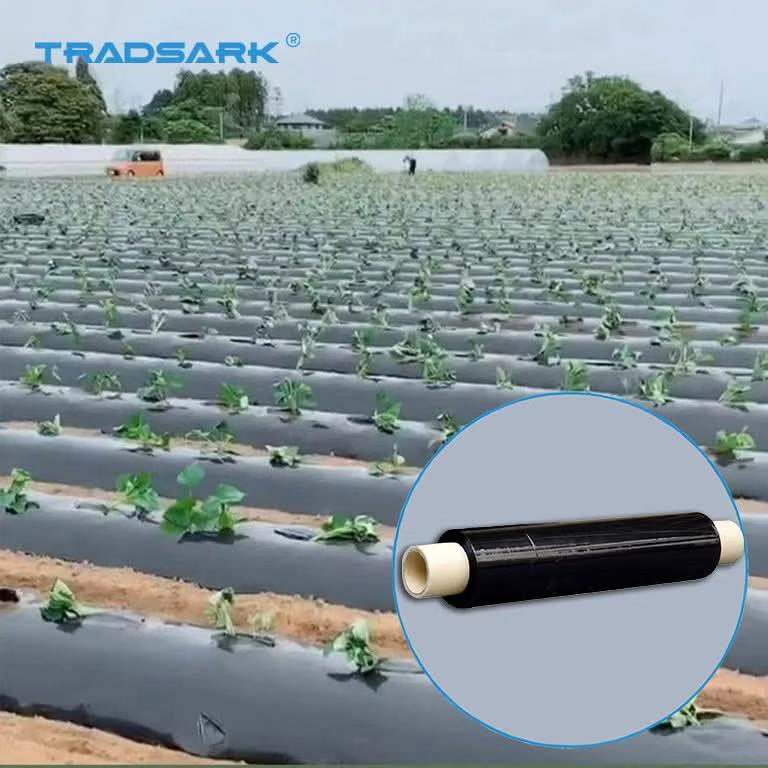
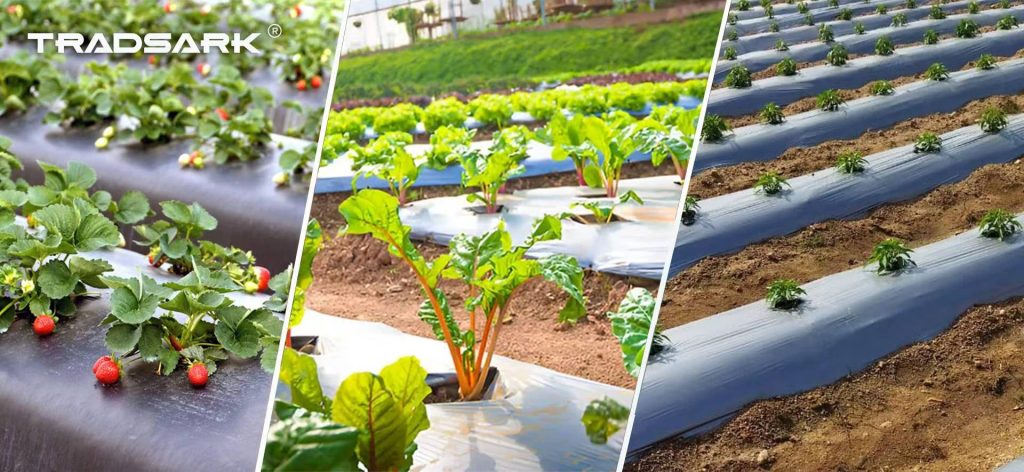
- Black mulch film: block sunlight, stop weed growth widely for vegetables, strawberry, potato.
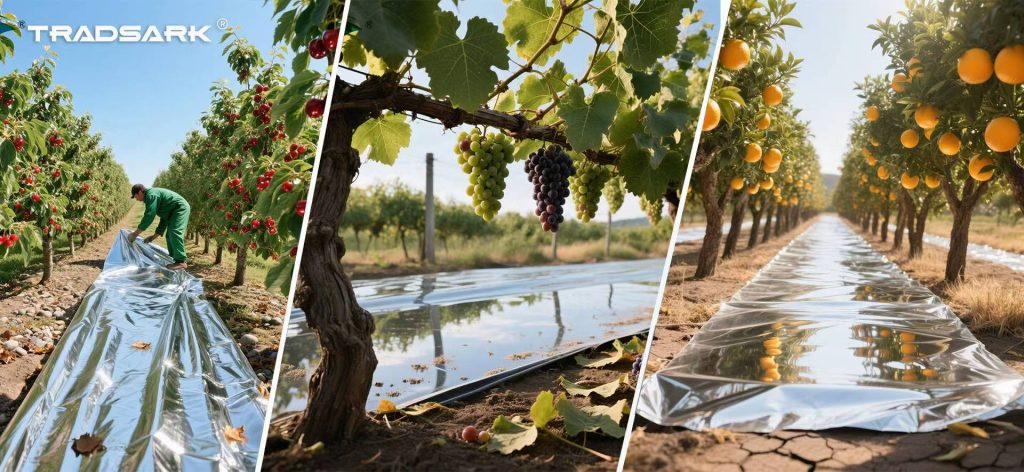
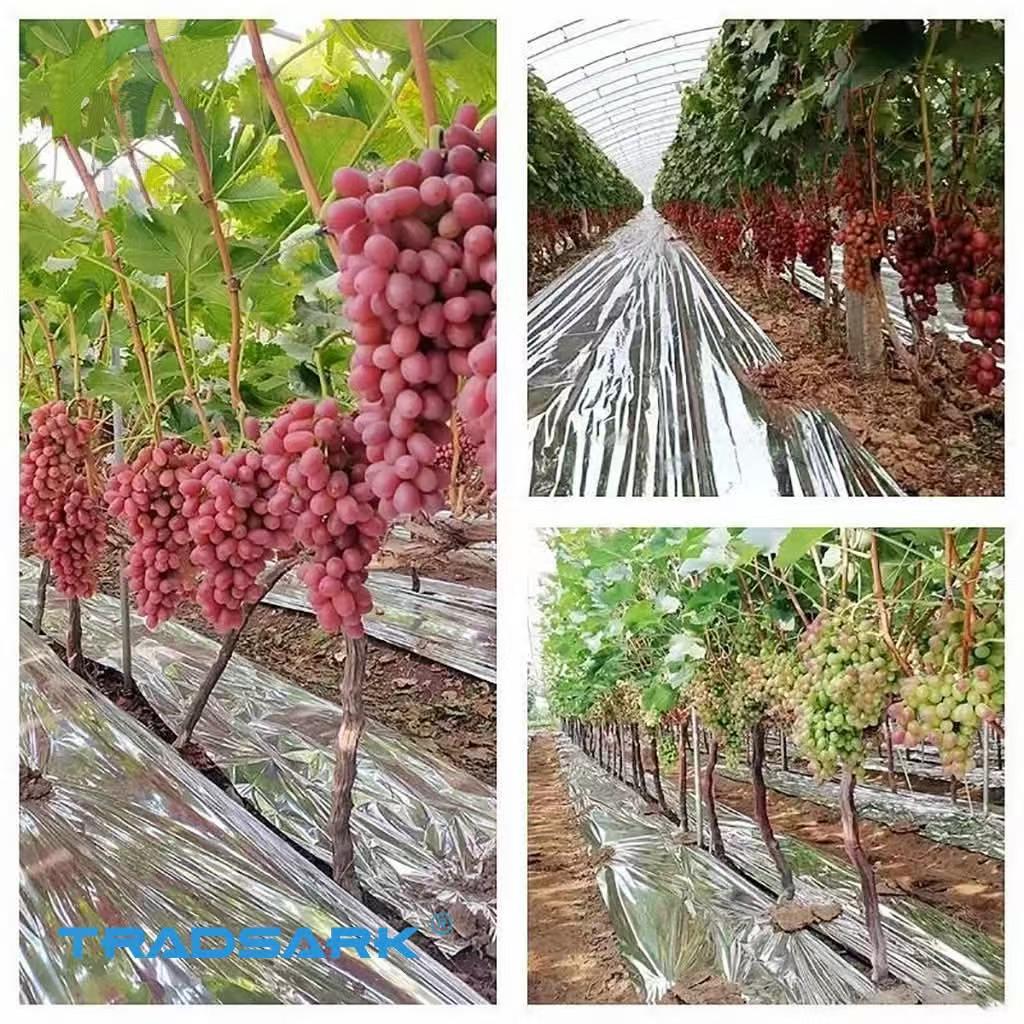
- Silver‑black mulch film: silver surface reflects sunlight and repels aphids and whitefly pests, black side blocks weeds.
- Transparent mulch film: fast soil warming for early spring seeding.
- Biodegradable mulch film: eco‑friendly agricultural film, no need manual collection after harvest.
1.2 Greenhouse Agricultural Film (Tunnel Film / PO Film)
Greenhouse film is heavy‑duty agricultural film for greenhouse roofs and side walls. Main materials are PE, EVA and multi‑layer co‑extrusion PO film. Thickness 100‑200 micron, width can reach up to 16 meters without splicing. High‑end PO agricultural film adds UV stabilizer, anti‑drip and anti‑fog additives, service life can reach 3‑5 years for commercial greenhouses.
1.3 Silage Wrap Film
Silage agricultural film is oxygen‑barrier stretch film for forage storage, widely used for dairy and livestock farms.
2. Raw Material Standard for Quality Agricultural Film
Good agricultural film mostly chooses pure LLDPE (Linear Low‑Density Polyethylene) resin as base material, density around 0.918‑0.925. Compared with recycled scrap plastic, virgin resin agricultural film has better puncture resistance, tear strength and longer anti‑aging lifespan in strong UV sunshine, which is very critical for tropical and plateau regions with high ultraviolet radiation.
Different functional additives will be blended during extrusion production: UV stabilizer for sunlight resistance, anti‑drip agent to avoid water drops inside greenhouse, infrared thermal additive for night heat preservation, anti‑insect masterbatch for pest control.
3. Core Benefits of Using Premium Agricultural Film
3.1 Water Saving
Agricultural mulch film covers soil surface and cuts down water evaporation, irrigation water consumption can drop 30‑50%, which is valuable for dryland and arid countries.
3.2 Weed Control Without Herbicide
Black agricultural mulch cuts sunlight, weeds cannot germinate, farmers reduce chemical herbicide cost.
3.3 Stable Soil Temperature
In spring, agricultural film raises soil temperature to make seeds germinate earlier. In hot summer, special light‑reflect agricultural film prevents overheated root zone.
3.4 Crop Yield Improvement
When temperature, moisture and weeds are well controlled by agricultural film, most vegetable and fruit yields can increase 20‑40% every planting season.
4. Global Agricultural Film Market Trend 2026‑2032
Global agricultural film market keeps steady growth year by year. Two clear trends are transforming this industry.
4.1 High‑Performance Functional Agricultural Film
Buyers no longer only buy cheap thin agricultural film. Importers prefer long‑life multi‑layer co‑extrusion PO greenhouse film and reinforced mulch film. Although unit price higher, fewer replacement cycles lower the annual farm running cost.
4.2 Biodegradable Agricultural Film Development
Plastic pollution regulation becomes stricter in many countries. Bio‑based degradable agricultural mulch film market share rises quickly, it breaks down naturally in soil after crop harvest without manual film recycling work.
5. Tips: How International Buyers Source Agricultural Film From Factory
5.1 Confirm Technical Specification First
Before quotation, confirm agricultural film parameters: material, thickness(micron), width, roll length, color, UV longevity requirement, masterbatch additive list. For mulch film, 2000m per roll, 1‑2 meter width is very popular for South America market.
5.2 MOQ For Bulk Agricultural Film Order
Most China agricultural film factories set MOQ based on tonnage, normally 1‑2 tons minimum for customized specification. Mixed container loading for mulch film and greenhouse film is acceptable for most manufacturers.
5.3 Custom Service
OEM is available: custom roll weight, print logo on roll core, packing bag design, special additives formula for local climate (strong UV, heavy rain, cold plateau).
6. FAQ About Agricultural Film
Q: What micron mulch agricultural film is best?
A: General season planting choose 20‑25 micron mulch film. Long‑term crop over six months select 30‑40 micron thick agricultural film for better tear resistance.
Q: Can agricultural film work under high UV tropical weather?
A: Yes, you need order agricultural film added with UV stabilizer masterbatch, normally 8‑12 months outdoor lifespan for mulch film.
Conclusion
Agricultural film is a cost‑effective investment instead of simple farm consumable. Whether you are commercial farm owner, agricultural supplies wholesaler or importer, selecting proper specification agricultural film matching local climate and crop will greatly boost your farm profit. If you are looking for reliable agricultural film manufacturer from China, welcome to contact us for specification sheet and bulk wholesale price list.