What Agricultural Black Mulch Film Offers to Commercial Farming
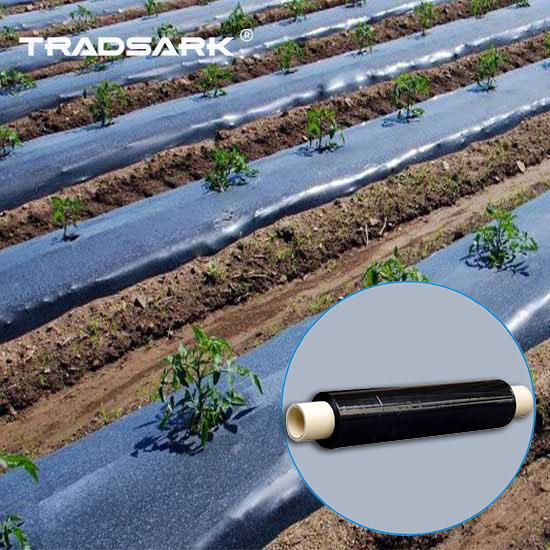
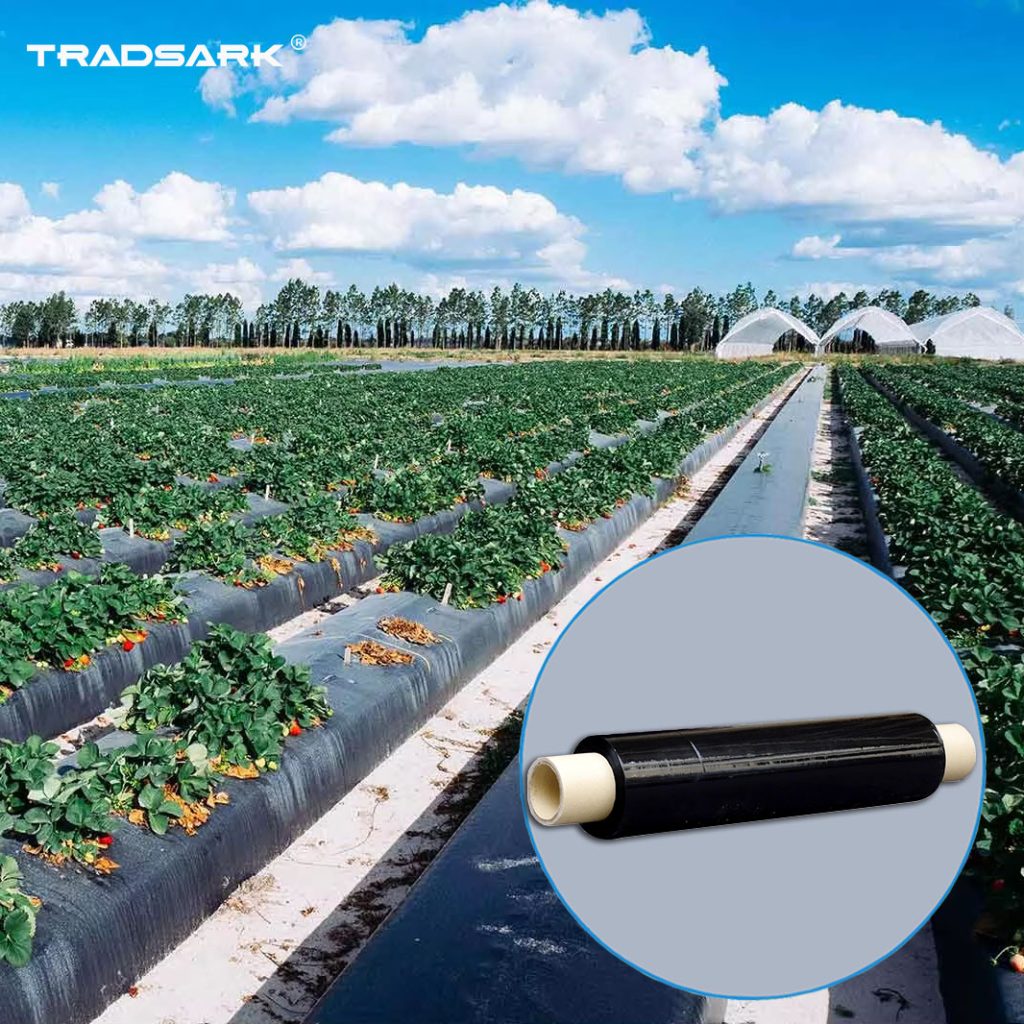
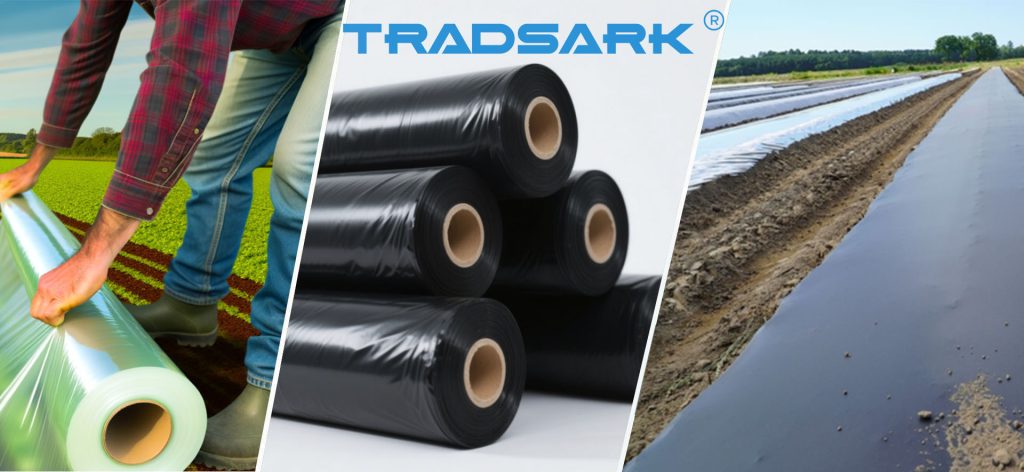
Agricultural black mulch film is a plastic sheeting material, typically made from polyethylene, that is laid on the soil surface around or between crop rows. Its primary purpose is to modify the growing environment in ways that can benefit plant development and reduce certain operational challenges. For commercial growers, cooperatives, and distribution partners, choosing a suitable mulch film involves balancing factors such as crop type, climate, equipment, and budget.
At Tradsark, we supply black mulch films designed to meet the needs of modern agricultural operations. Our products are manufactured with attention to durability, UV resistance, and consistent light‑blocking properties, with the aim of providing reliable performance across a range of growing conditions.
Key Agronomic Benefits of Black Mulch Film
Weed Suppression – Reducing Herbicide Dependence
Because black mulch film is opaque, it effectively blocks light from reaching the soil beneath. This can greatly inhibit weed seed germination and growth, often reducing the need for manual weeding and chemical herbicides. Many growers report substantial labour savings and lower input costs when using black plastic mulch, particularly in vegetable and fruit crops.
Soil Temperature Regulation – Supporting Early Growth
Black film absorbs solar radiation and transfers heat to the underlying soil, which can raise root‑zone temperatures by a few degrees compared to bare ground. This warming effect is often beneficial for early‑season plantings, as it may promote faster emergence and establishment, and in some cases can advance harvest dates. It may also provide some protection against minor temperature fluctuations in cooler periods.
Moisture Conservation – Improving Water Efficiency
By creating a barrier over the soil, black mulch film reduces evaporation, helping to retain moisture in the root zone. Under many conditions, this can lead to water savings of 20–30% relative to unmulched soil. When combined with drip irrigation installed beneath the film, overall water use efficiency can be significantly enhanced, which is an important consideration in areas with limited water availability.
Yield and Quality – Observed Improvements
A number of field studies have indicated that using black polyethylene mulch can lead to higher marketable yields and better fruit quality in various crops. For example, research has shown average yield increases in tomatoes, strawberries, peppers, and melons when grown with black mulch compared to bare soil. The film also helps keep produce clean by preventing direct contact with soil, which may reduce post‑harvest losses.
Technical Considerations When Selecting Black Mulch Film
For those sourcing agricultural black mulch film, the following technical aspects are worth evaluating:
· Thickness – Available typically from 15 to 50 microns, with custom options. Thinner films are lighter and may be more economical, but thicker films generally offer better resistance to tearing, wind, and mechanical handling, which can be important for longer growing cycles or windy locations.
· Width – Standard rolls range from 0.6 metres to 6 metres, and many suppliers, including Tradsark, can slit rolls to match specific bed widths. Proper width helps minimise waste and ensures adequate soil coverage.
· UV Stabilisation – Adding UV inhibitors can extend the film’s functional life, with protection periods commonly ranging from 6 to 12 months depending on the additive package and local sunlight intensity. This helps prevent premature cracking or embrittlement.
· Mechanical Strength – Films with higher tensile and tear strength are easier to lay mechanically and are less prone to wind damage. Tradsark’s films are formulated to meet industry standards for strength and durability.
· Light Opacity – Effective weed suppression requires a film that blocks most incoming light. Quality black mulch films typically achieve over 95% opacity, though actual performance can vary with manufacturing quality.
Tradsark offers customisation options, including thickness, width, perforation patterns, and edge reinforcement, so that you can obtain a product suited to your specific cropping system.
Sustainability and Biodegradable Film Options
With growing attention to plastic waste in agriculture, many operations are exploring alternatives to conventional polyethylene mulch. Tradsark provides two main categories:
- Standard polyethylene mulch – designed for easy retrieval and recycling after use. These films can be collected and sent to appropriate recycling facilities where available.
- Biodegradable mulch films – made from materials such as PBAT and starch‑based polymers, which are intended to break down in the soil over time after the growing season. This can eliminate the need for removal and disposal, although the degradation rate depends on soil temperature, moisture, and microbial activity.
Research suggests that biodegradable black mulches can perform comparably to conventional films in many crops, and they may offer a lower carbon footprint in some life‑cycle assessments. The market for biodegradable options is growing, and Tradsark is able to supply both types, with guidance on which may be more appropriate for your region and crop.
Why Consider Tradsark as Your Mulch Film Partner?
· Consistent Product Quality – Our manufacturing processes include regular quality checks to ensure uniform thickness, strength, and UV performance across production batches.
· Dependable Supply – With substantial production capacity and established logistics networks, we strive to meet delivery schedules even for larger orders.
· Technical Support – Our team can offer practical advice on film selection, installation methods, and post‑harvest handling, based on experience with various crops and climates.
· Competitive Pricing – Through efficient production and raw material sourcing, we aim to provide good value without compromising on essential performance characteristics.
· International Experience – We have supplied customers in more than 30 countries, giving us insight into different regulatory environments and growing conditions.
Application Tips for Best Results
To get the most from your agricultural black mulch film, consider the following practices:
· Prepare the seedbed thoroughly – remove weeds, stones, and clods, and level the surface. Apply base fertilisers and install drip lines before laying the film.
· Choose thickness and width based on your crop cycle, expected weather, and mechanisation level.
· Lay the film firmly against the soil to ensure good contact, and secure the edges with soil or pins to prevent wind lift.
· Cut planting holes at the correct spacing and transplant seedlings soon after to avoid moisture loss.
· Inspect the film periodically during the season and repair any tears promptly.
· After harvest, remove conventional films for recycling, or, for biodegradable types, incorporate them into the soil as per the supplier’s instructions.
Conclusion – Black Mulch Film as a Valuable Farm Input
Agricultural black mulch film, when chosen and applied thoughtfully, can be a valuable component of a productive cropping system. It offers practical benefits in weed management, temperature and moisture regulation, and crop quality, which together may contribute to improved profitability and resource efficiency.
With Tradsark as your supply partner, you can access a range of quality films, technical knowledge, and reliable service to support your farming operations. We are committed to helping you achieve better outcomes through practical, well‑tested solutions.
For more information about our products and how we can assist you, please feel free to reach out to us.